5 Highlights from the Northern Moose Alliance
Our scientists are gathering data, engaging the public

Moose—Mooz in the Ojibwe language—are a living emblem of the northwoods, with deep significance to the people and ecology of the Lake Superior region. After a deep decline over the past two decades, moose populations have stabilized, but remain fragile.
The Northern Moose Alliance is an innovative state-tribal-nonprofit partnership initiative to help Minnesota’s struggling moose population—and inform, engage, and inspire the public to become involved in the protection of this iconic species.
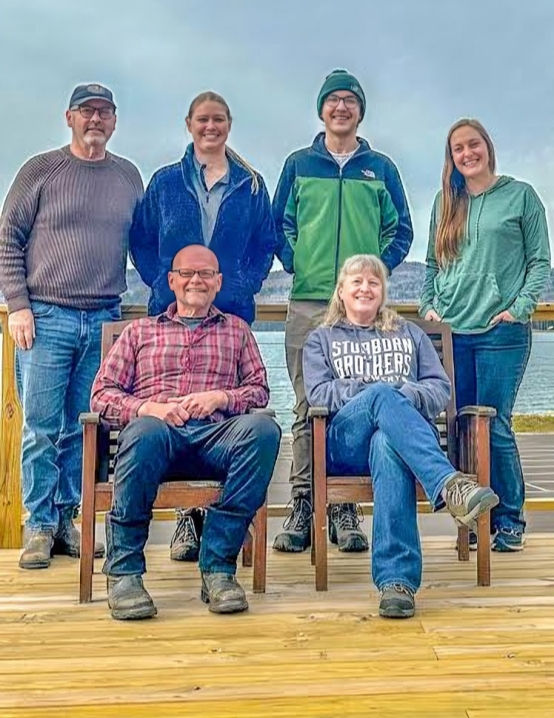
NPLSF is proud to be a leading partner in the Alliance, along with the Minnesota Department of Natural Resources, 1854 Treaty Authority, and Grand Portage Band of Lake Superior Chippewa.
With seed funding from the Legislative Citizen Commission on Minnesota Resources (LCCMR) and Grand Portage Band, the initiative kicked off in late 2025 with a focus on studying juvenile moose, a missing link in current research.
As the 1854 Treaty Authority Wildlife Biologist Morgan Swingen puts it, “We don’t know how many yearlings or two-year-old females are reproducing. We just don’t have a lot of data there.”

Over the past six months, Alliance scientists have completed the complex task of placing tracking collars on 130 moose, and have started analyzing their movements and life events. At the same time, we launched a website (moosealliance.org), with a logo by renowned artist Sam Zimmerman.
The Northern Moose Alliance website offers a wealth of information and updates. Here, we shine a spotlight on five highlights from the past six months!
A harrowing winter of fieldwork completed
Tracking collars are an essential element of moose research. Moose are clearly visible against the snow, making winter the best time to find, sedate, and apply collars to the moose.
While moose collaring is an annual event for our project partners, this year was different due to a focus on juvenile moose and difficult conditions with periods of extreme cold, high winds, and poor visibility.
These adverse conditions required scientists to condense work that would normally take 45 days into an action-packed 15 day window. After airplanes identified moose using thermal imaging, helicopters followed to sedate the moose so they could be collared.
As Seth Moore, Director of Natural Resources for the Grand Portage Band described, “We’re flying in a helicopter with no doors, absolutely none. So you have a wind chill that is absolutely brutally cold.” In the end scientists achieved their goal and "capture season” was completed successfully.
“Moose Browse” pulls back the curtain

Frigid helicopter rides are only one aspect of the fascinating work of moose scientists. And because so few people understand the day-to-day efforts that go into studying and protecting moose, our Wildlife Biologist Adam Mortensen is writing a regular column to offer a behind the scenes look.
Adam and other scientists closely monitor moose movements and when he sees a collared moose “go down” he races to the scene to retrieve the body before it is consumed by predators so a necropsy can be conducted. For Adam this has meant learning how to drive a snowmobile, roll a “moose taco,” and more.

Check out the “Moose Browse” page of the Northern Moose Alliance website to catch up on all of Adam’s installments and learn about other recent news.
According to NPLSF Executive Director Tom Irvine, this work to engage people in the lives of our moose, and moose researchers, is central. “People care deeply about moose, but may not understand how they live, why they die, and how they are being studied,” he said. “We want the public to be able to follow along and become part of the solution to protecting this cherished and iconic species.”
Citizen Science pilot generates photo submissions
One important way community members can be “part of the solution” is to participate in citizen science. From March 15-May 15 2026, Northern Moose Alliance launched a pilot citizen science project focused on finding evidence of moose suffering from winter ticks. Moose with tick infestations often have hair loss from rubbing against trees or other surfaces to relieve discomfort.
As Minnesota DNR Wildlife Health Program Supervisor Michelle Carstensen explains, "We intend to document if winter ticks are limiting recruitment of young collared moose during our project, and by employing the help of citizens across the Arrowhead to share trail camera photos of moose, we will be able to generate a hair loss index that will help us better understand the role of these illnesses in adults and young moose across their range.”
The 2026 pilot generated more than 50 photos and videos from Northeast Minnesota residents, and scientists are currently analyzing results.
New local funders and future work to spread the word
While the LCCMR grant and funds from the Grand Portage Band are vital sources of support for the five-year study at the center of the Northern Moose Alliance, more funding is needed to make the Alliance an effective clearing house of moose research, expand the project, fill gaps in equipment needs, and provide the communications and engagement to get people involved.
In the past six months, the Van Sloun Foundation and Cook Country Community Fund of Boreal Waters have provided vital support and we continue to seek donations for this important project. Over the summer NPLSF will be bringing information about the Alliance to public events including the Lutsong Music Festival, Fresh Coast Film Festival, Rendezvous Days at Grand Portage National Monument, and Grand Marais’ Moose Madness event to continue to spread the word about the project. And if you are going to Minnesota’s State Fair this year, watch for a Northern Moose Alliance sign outside the DNR building near the moose sculpture!
“Missing Middle” explained on the Lake Superior Podcast
NPLSF’s Lake Superior Podcast is dedicated to bringing the stories of our region to the public and the work of the Northern Moose Alliance and its research is of keen interest to our listeners. Recently DNR’s Michelle Carstensen sat down with podcast hosts Walt Lindala and Frida Waara to provide a detailed and entertaining description of the Alliance’s focus on young moose. You can read the story on the Northern Moose Alliance website or listen to the episode here.

In the coming months we will be launching Northern Moose Alliance social media channels and a newsletter to keep you up to date on all things moose. You can sign up for the Northern Moose Alliance mailing list and we will keep you posted on new developments.
About NPLSF

The National Parks of Lake Superior Foundation (NPLSF) exists to provide financial support for projects and programs that preserve the natural resources and cultural heritage of the five Lake Superior national parks: Apostle Islands National Lakeshore, Grand Portage National Monument, Isle Royale National Park, Keweenaw National Historical Park, and Pictured Rocks National Lakeshore. The Northern Moose Alliance is one of our region-wide partnership programs.
Funded through grants and private donations, NPLSF projects and programs ensure that these great parks and historic sites are maintained for the enjoyment of all current and future visitors.
To learn how you can support our work visit nplsf.org/donate.


